Interconnected Swiss Frameworks Governing Self-Exclusion in Mobile Progressive and Live Gaming Environments
Rosa Ludwig · Nov 24, 2026
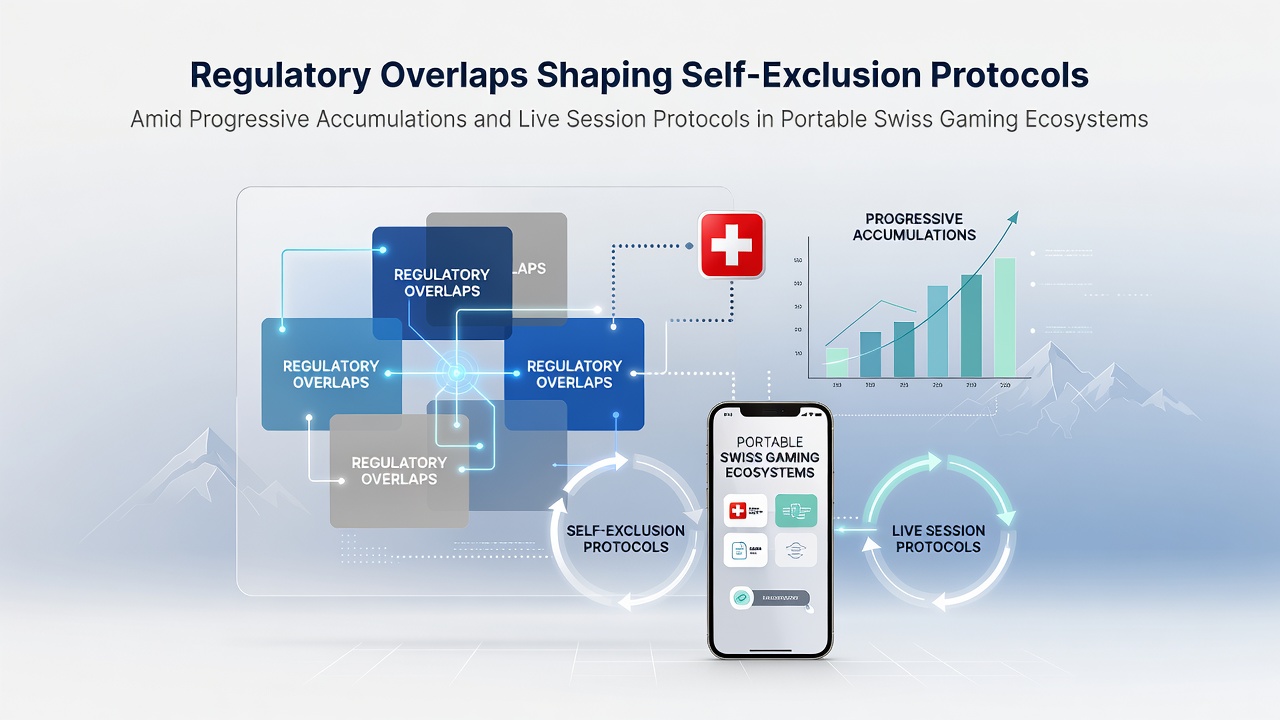
Interconnected Swiss Frameworks Governing Self-Exclusion in Mobile Progressive and Live Gaming Environments
Switzerland's federal gambling legislation creates multiple layers of oversight that intersect when operators manage self-exclusion lists alongside progressive jackpot systems and live dealer sessions on mobile platforms, and these intersections have grown more complex as portable gaming expands. The Federal Act on Gambling, enacted in 2019 and refined through subsequent ordinances, assigns primary authority to the Federal Gaming Board while cantonal bodies retain roles in licensing and enforcement, which produces situations where a single player exclusion request must satisfy both national database requirements and regional operational rules.
Core Elements of Swiss Self-Exclusion Mechanisms
Self-exclusion in Swiss gaming ecosystems operates through a centralized national register that licensed platforms must query in real time before allowing account access or participation in any game type, including those featuring accumulating jackpots or synchronized live tables. Data from the Federal Office of Justice shows that exclusion entries reached 87,000 active records by mid-2025, with monthly updates required from all operators holding Swiss licenses. Mobile applications must integrate these checks into their session initiation sequences, which means a player attempting to join a live roulette stream or contribute to a progressive slot pool encounters the same verification step regardless of game category.
Progressive Accumulations and Regulatory Cross-Checks
Progressive jackpot pools in Swiss mobile environments accumulate across multiple titles and sometimes across several operators under strict pooling agreements approved by federal regulators, yet these pools trigger additional compliance layers when a self-excluded individual attempts re-entry. Because contributions to the pool continue even during periods when excluded players cannot participate, reconciliation processes must isolate those contributions from any potential payout eligibility, and this separation requires synchronized data feeds between the national exclusion register and each operator's jackpot management server. Observers note that such synchronization becomes particularly demanding on portable devices where network latency can affect real-time verification.

Live Session Protocols Under Overlapping Rules
Live dealer sessions conducted through Swiss-licensed mobile applications must adhere to both the federal technical standards for game fairness and the cantonal requirements for staff certification, which creates procedural overlaps when an exclusion flag appears mid-session. A player who begins a live blackjack round before an exclusion update propagates may have the session terminated automatically, with any pending bets settled according to predefined protocols that protect the progressive elements tied to that table. Research from the Swiss Institute of Comparative Law indicates that average session interruption rates due to exclusion updates stood at 2.3 percent across monitored platforms in 2025, with live games showing slightly higher figures than automated slots because of the human dealer coordination required.
Portable Ecosystem Specifics and Data Sharing
Mobile gaming ecosystems in Switzerland rely on geolocation verification combined with device fingerprinting to enforce territorial and exclusion rules, and these technical measures must function identically whether a user accesses a progressive slot or a live-streamed table game. Overlaps emerge when cantonal authorities request audit trails that differ in format from the federal reporting templates, forcing operators to maintain dual logging systems that feed into the same exclusion database. According to figures released by the Swiss Federal Council in October 2025, 14 licensed mobile operators reported implementing unified APIs by that date to reduce duplication in exclusion data handling, though full interoperability across all cantons remained incomplete.
Developments scheduled for November 2026 include proposed amendments that would mandate a single standardized interface for both progressive pool reporting and live session logging, which aims to reduce the administrative burden created by current overlaps. Industry associations such as the European Gaming and Betting Association have published position papers outlining how these changes could align Swiss practices more closely with emerging EU-wide technical standards without altering the core federal-cantonal division of responsibilities.
Enforcement Patterns Across Game Types
Enforcement actions documented by regulators reveal that most compliance notices related to exclusion protocols involve failures in mobile app update timing rather than deliberate violations, and these notices frequently cite both progressive jackpot modules and live dealer interfaces in the same report. A 2025 review by the Federal Gaming Board identified 47 cases where delayed exclusion synchronization affected jackpot contribution calculations, while 31 additional cases involved live session handoffs that bypassed updated exclusion flags. Each incident required operators to adjust internal reconciliation procedures, demonstrating how the same regulatory overlap produces distinct operational consequences depending on whether accumulations or live play form the primary activity.
Conclusion
Regulatory overlaps in Switzerland's mobile gaming sector continue to shape the technical and procedural requirements for self-exclusion management across progressive and live session environments, with federal and cantonal layers producing layered compliance obligations that operators address through integrated data systems. As updates planned for November 2026 approach, further standardization of reporting interfaces may reduce some current duplication while preserving the distinct roles assigned to each regulatory body. Data from government sources and industry reports illustrate that these intersections remain a defining characteristic of the Swiss portable gaming landscape.